

Storms can damage a roof even when problems are not visible from the ground. In Henrietta, NY, wind, heavy rain, wet snow, ice, and falling branches can affect shingles, flashing, gutters, vents, and the roof structure. A careful inspection helps identify urgent hazards while avoiding unnecessary risks.
Should the roof be checked immediately after a storm?
Yes, but only from a safe position first. Walk around the property after the wind has stopped and look for obvious signs of damage from the ground. Do not climb onto a wet, icy, steep, or visibly weakened roof.
Before inspecting, check for:
- Downed power lines or electrical equipment
- Broken branches near the house
- Standing water around roof edges
- Sagging roof sections
- Loose siding, trim, or other debris
- Water entering the attic or living areas
If any part of the roof appears unstable, stay clear of the area. A roof can look intact while having damaged decking or weakened structural supports underneath.
What can be seen from the ground?
A ground-level inspection can reveal several useful clues. Use binoculars if available rather than climbing a ladder simply to get a closer look.
Look for shingles that are:
- Missing entirely
- Lifted, curled, folded, or shifted
- Cracked or split
- Lying in the yard, driveway, or gutters
- Missing large areas of protective surface material
Wind damage is not always uniform. One side of a roof may look normal while another slope has loose or missing shingles. Pay particular attention to roof edges, corners, ridges, and areas near large trees because these locations often receive stronger wind forces.
Also inspect visible metal components. Bent or displaced flashing around chimneys, skylights, walls, and roof valleys can allow water to enter even when the shingles appear undisturbed.
How can indoor signs reveal roof damage?
Water stains, damp insulation, and musty odors may indicate that the roof covering or flashing has failed. Interior evidence can appear hours or days after a storm, especially when moisture is trapped beneath roofing materials.
Check the attic, if it can be reached safely, for:
- Wet or discolored wood
- Damp insulation
- Dripping water
- Water marks on rafters or roof decking
- Daylight visible through the roof
- Mold-like growth or a persistent musty smell
Inside the living space, inspect ceilings, upper-floor walls, and areas around chimneys, skylights, and attic access panels. A brown or yellow stain does not always identify the exact entry point. Water can travel along framing before appearing indoors.
If water is actively entering, place a container beneath the leak and move furniture or other belongings away from it. Avoid touching wet electrical fixtures, wiring, or outlets. If the ceiling is bulging, stay out of the area because accumulated water can cause part of the ceiling to fail.
What should be checked besides the shingles?
A storm inspection should include the entire roof drainage and ventilation system. Shingles are only one part of the assembly.
Gutters and downspouts
Look for gutters that are detached, bent, clogged with unusual amounts of shingle granules, or filled with roofing pieces. Confirm that downspouts remain connected and that water can move away from the foundation.
Large amounts of granules in gutters may indicate surface wear or storm-related impact. A small amount can be normal on an older roof, but a sudden increase after a storm deserves attention.
Flashing and roof penetrations
Inspect visible flashing around:
- Chimneys
- Plumbing vents
- Skylights
- Wall intersections
- Valleys
- Dormers
- Roof-to-porch connections
These areas are common leak paths because they contain joints and changes in roof direction. Flashing that is bent, lifted, or separated from the surrounding material may allow water beneath the roof covering.
Vents and caps
Ridge vents, attic vents, turbine vents, and plumbing vent covers can be damaged by wind or falling branches. Missing covers may allow rain, snow, insects, or animals into the attic.
Trees and branches
Check whether branches have struck the roof, pressed against shingles, or scraped against the surface. Even a branch that has not made a visible hole may have loosened roofing materials. Do not climb onto the roof to remove branches. Large or unstable limbs should be left alone until the area is safe.
Does hail always leave obvious marks?
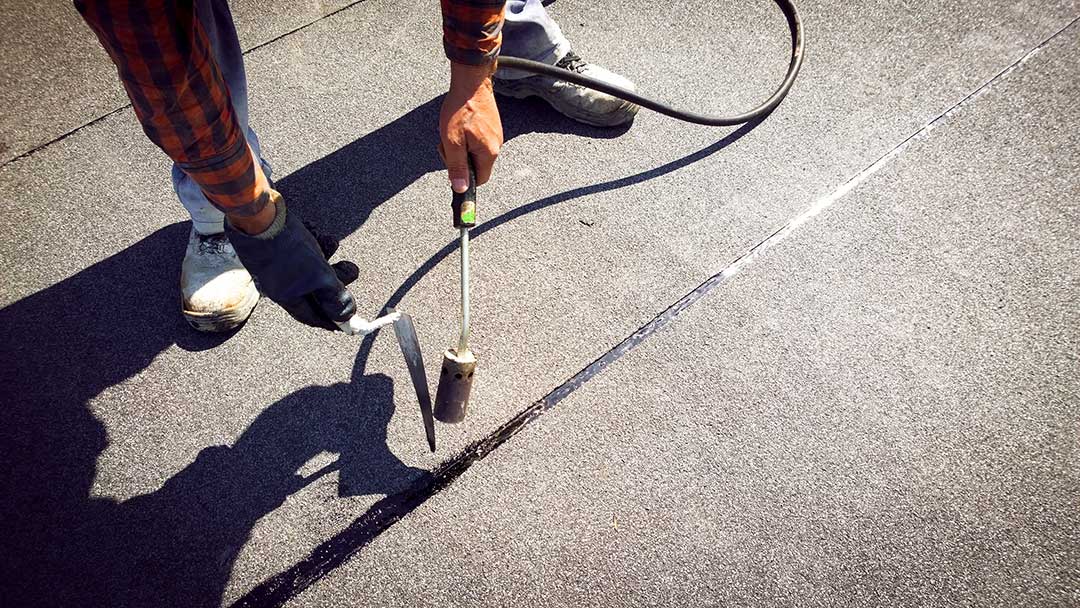
No. Hail damage can be difficult to identify, particularly from the ground. Small impact points may appear as irregular dark spots, exposed matting, bruised areas, or areas where granules have been removed.
Possible hail damage may also be visible on softer outdoor surfaces, such as:
- Window screens
- Metal vents
- Gutters and downspouts
- Deck surfaces
- Air-conditioning equipment
- Patio furniture
These clues do not prove that the roof is damaged, but they can help show that the property experienced significant impact. Hail damage may be more noticeable after the roof dries and lighting conditions change.
Can a roof leak appear days after the storm?
Yes. A roof may not leak immediately because water can be held back by underlayment, insulation, or overlapping roofing materials. Repeated rainfall, melting snow, or changing temperatures may later push moisture into the building.
This is especially relevant during seasons with freeze-thaw cycles. Water can enter a small opening, freeze, expand, and enlarge the pathway. Ice buildup near roof edges can also interfere with drainage and cause water to move beneath roofing materials.
Continue checking ceilings, attic spaces, and upper-floor walls for several days after a major storm, particularly after additional rain or snow.
What should be documented?
Take clear photographs from the ground and from safe indoor areas. Record:
- The date and approximate time of the storm
- Wind, hail, heavy rain, or falling branches that were observed
- Missing, lifted, or damaged roofing materials
- Interior stains or active leaks
- Damage to gutters, flashing, vents, siding, or windows
- Any temporary measures taken to reduce water entry
Do not remove damaged materials before documenting them unless leaving them in place creates an immediate safety problem. Keep receipts for emergency materials and record any areas that could not be inspected safely.
When is a roof inspection unsafe?
A roof should not be climbed when it is wet, icy, snow-covered, steep, unstable, or covered with debris. Ladders are also hazardous when placed on uneven ground, near power lines, or against damaged gutters.
Extra caution is needed if the property has:
- Visible sagging
- A large tree impact
- Exposed roof decking
- Loose electrical equipment
- Structural damage
- Significant ice or snow buildup
- Active water near electrical wiring
In these circumstances, a qualified roofing or building professional may be necessary for a closer evaluation because safety and structural concerns go beyond a routine homeowner inspection.
A careful ground-level review, followed by an indoor check and timely documentation, can identify many storm-related problems without putting residents at unnecessary risk. For homes in Henrietta, changing weather through the year makes it useful to recheck vulnerable areas after later rain, wind, snow, or freeze-thaw conditions rather than assuming a roof is sound because no leak appeared immediately.
