

Why Does Roof Preparation Matter Before Winter?
Winters in Henrietta, NY typically bring heavy snow, freezing rain, and frequent temperature swings. These conditions put extra stress on local roofs, leading to issues like leaks, ice dams, and even structural damage if a roof isn’t well prepared. Addressing roof maintenance each fall helps prevent unexpected repairs and protects your home when winter weather arrives.
What Are the First Visual Checks Homeowners Should Do?
Start with a careful visual assessment from the ground and, if possible, with binoculars. Look for signs such as:
- Curled, cracked, or missing shingles
- Rusted, loose, or bent flashing around chimneys, vents, and skylights
- Sagging areas or noticeable dips in the roof line
- Moss, lichen, or unusual dark streaks
Spotting these early can help avoid leaks that only appear once snow begins piling up or melting.
How Can Cleaning Help Prevent Roof Problems in Winter?
Clearing debris is one of the most effective ways to avoid winter roof issues. In Henrietta, falling leaves and tree branches often collect in gutters and valleys. This buildup can prevent water from draining, leading to ice dams and potential water infiltration.
- Remove all leaves and twigs from the roof surface and around any roof penetrations
- Clean gutters and make sure downspouts direct water away from your home’s foundation
- If you’re comfortable working safely on a ladder, check for packed debris at gutter elbows and corners
Regular cleaning in late autumn reduces the risk of gutter clogs and sheet ice forming along the roof edge.
What Roof Repairs Should Be Addressed Before First Snowfall?
If inspection reveals damaged or missing shingles, deteriorated caulk, or loose flashing, these areas should be fixed before winter. Shingles that are cracked or missing won’t shed water properly, which is especially problematic once snow and ice arrive.
In Henrietta, prolonged freeze-thaw cycles can make small vulnerabilities worse by widening cracks or breaking sealants. Replacing individual shingles, re-securing flashing, or applying fresh caulk are effective pre-winter repairs for many common problems.
Should Homeowners Be Concerned About Attic Insulation and Ventilation?
Yes. Proper attic insulation and ventilation play major roles in winter roof health in this region. Without enough insulation, heat escapes from the living space, melting snow on the roof and often causing ice dams at the eaves. Inadequate ventilation traps moisture, increasing the risk of mold and reducing roof lifespan.
Check that insulation isn’t compressed or missing in key areas, especially near the edges of the attic. Ensure soffit and ridge vents are clear of obstructions so air can circulate. This simple check can make a noticeable difference in both indoor comfort and preventing winter roof damage.
Are Ice Dams a Concern in This Area?
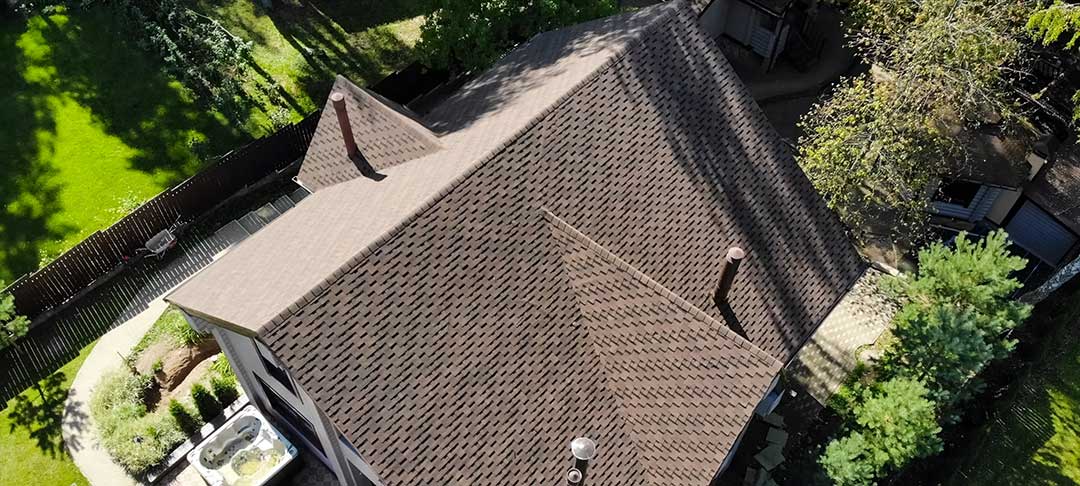
Ice dams are a familiar problem for area homeowners. These form when melting snow refreezes near the roof edge, creating a barrier that prevents proper drainage. Over time, water backs up under shingles and may leak into the attic or walls.
To minimize the risk of ice dams:
- Keep gutters clear and downspouts unobstructed
- Ensure attic is adequately insulated and ventilated
- Remove packed snow after large storms using a roof rake with a telescoping handle (avoid climbing on a snowy or icy roof)
Even with careful preparation, ice dams can still occur during severe weather, but these steps greatly reduce their impact.
What About Overhanging Trees and Branches?
In established neighborhoods within Henrietta, mature trees are common. Overhanging branches pose several risks: during storms, limbs may break under heavy snow and damage the roof, and constant brush against shingles can shorten their lifespan.
Trim any branches that hang within several feet of the roofline. This step not only reduces physical risk but also limits how much debris collects in gutters and roof valleys each fall. Completing this work in late autumn ensures new growth isn’t compromised and is less intrusive for wildlife.
What Are Common Mistakes to Avoid When Preparing a Roof for Winter?
Skipping an annual inspection is a top oversight. Even newer roofs can develop small leaks or lose shingles after severe summer storms. Other mistakes include:
- Using pressure washers to clean shingles, which can dislodge granules
- Over-insulating without leaving proper attic ventilation pathways
- Relying on chemical de-icers not intended for roofing materials (can damage shingles and surrounding landscaping)
Taking time for correct, seasonal maintenance provides the best balance of protection and longevity for area homes.
When Are DIY Efforts Unsafe or Inadequate?
If a roof is steep, tall, or has visible structural issues like major sagging, safety is a concern. Similarly, if you notice persistent leaks, large areas of missing shingles, or suspect animal infestation in the attic, these are situations where the risks may exceed standard homeowner repairs. In these cases, addressing problems safely and thoroughly may require experienced help, especially to meet local building codes.
