
What Are the Signs That a Roof Needs to Be Replaced?
Many homeowners in Henrietta, NY wonder how to distinguish normal wear from a roof that actually needs replacement. The most reliable signals include:
- Shingles that are noticeably cracked, curling, or missing
- Granule loss that leaves bald spots on asphalt shingles
- Visible sagging or uneven rooflines
- Persistent leaks or water stains inside your home after storms
- Daylight visible through the attic boards
These symptoms become more common as the typical roof nears the end of its functional life, especially when exposed to Henrietta’s year-round temperature swings and regular snowfall.
How Long Does a Roof Last in the Local Climate?
The average lifespan of roofing materials depends on both the type of material and how the local weather interacts with it. In this area:
- Asphalt shingles, the most common choice in local neighborhoods, usually last around 18-25 years if installed correctly.
- Architectural shingles and metal roofing may last longer, sometimes beyond 30 years.
- Roofs can age faster in Henrietta due to freeze-thaw cycles, accumulated snow load, and sudden spring temperature shifts, which can accelerate wear compared to drier, milder regions.
If your roof is approaching or could be older than the typical lifespan for its material, it’s wise to begin planning for replacement even if no major issues have appeared yet.
Are Minor Repairs a Viable Option, or Is Replacement Needed?
Spot-checking damage after a storm or wind event often reveals isolated issues. Small repairs, such as replacing a few missing shingles or sealing a slight leak, can extend the usefulness of a younger roof. However, repeated repairs within a short time—or repairs to aging materials—may indicate the underlying roofing system is failing.
In Henrietta, it’s common for roofs entering their third decade to develop multiple small problems, especially after harsh winters. If new issues keep appearing each season, replacement is often more effective and reliable than ongoing patchwork.
What Are Common Mistakes When Assessing Roof Condition?
It’s easy to underestimate the impact of minor-looking problems in the city’s climate. One misconception is that only visible leaks or missing shingles signal serious trouble. In reality, these often appear after significant deterioration beneath the surface.
Other common errors include:
- Ignoring attic ventilation and moisture issues, which are common with Henrietta’s indoor heating and winter condensation
- Relying solely on ground-level inspection, missing subtle signs like granule buildup in gutters or soft decking you can feel when walking on the roof
- Assuming a roof "looks fine" if it hasn’t visibly leaked, despite being at or beyond its design life
Taking a thorough, holistic view of the roof’s age, recent weather strains, and both visible and hidden signs is a more reliable approach.
Does Snow, Ice, and Local Weather Make a Difference?
Seasonal extremes in this region—especially heavy snowfalls and freeze-thaw cycles—create specific challenges for roofing longevity. Ice dams, for example, form along the eaves when melting snow refreezes, potentially pushing water up under shingles and into the decking. Repeated ice damming can damage both shingles and the wood beneath, leading to leaks that continue even as the weather warms.
Drifting snow, high winds, and spring rains also take a toll. These climate effects often mean that roofs in Henrietta show wear or need replacement earlier than expected, even if storms haven’t caused obvious, sudden damage.
What If Only Part of My Roof Looks Worn?
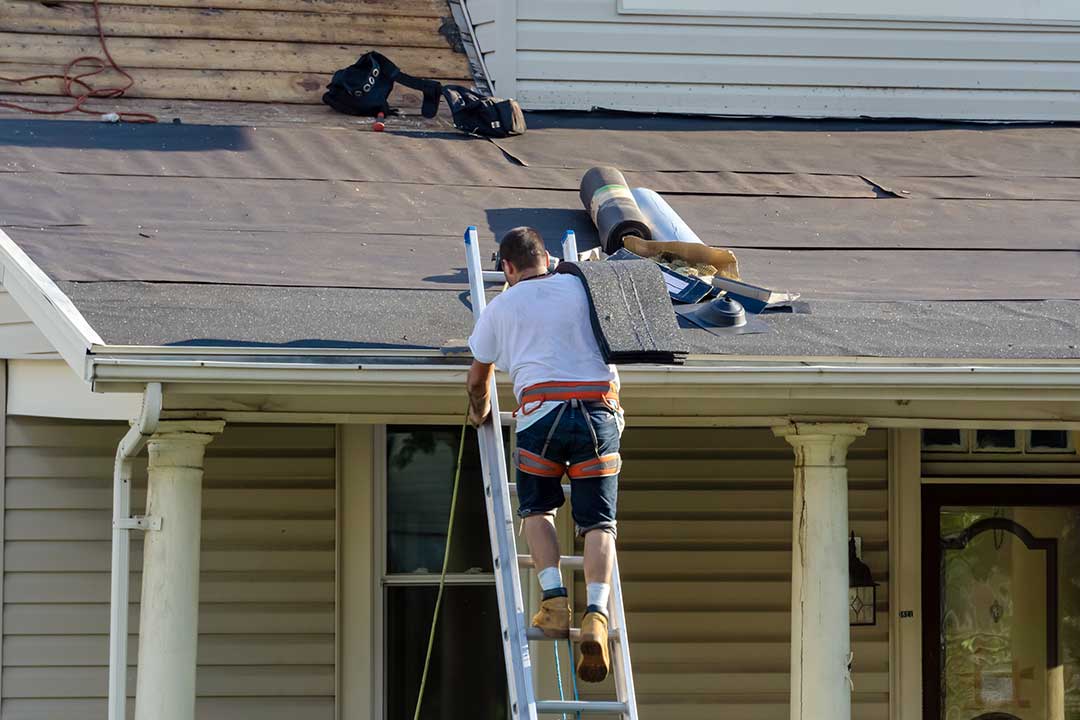
Sometimes a section of the roof—often the side most exposed to wind or shade—deteriorates faster than others. While replacing just that portion seems flexible, it can cause mismatched materials and doesn’t address underlying systemic aging.
In practice, partial repairs are usually most appropriate for newer roofs with localized damage (for example, a tree limb falling during a storm). When a roof is nearing its full lifespan, or if aging is widespread, a full replacement is generally safer and more consistent.
Are There Hidden Problems Even If a Roof Looks Okay?
Visual inspections from the ground often miss issues like trapped moisture, decaying decking, or hidden rot along the edges. Local homeowners sometimes don’t notice these kinds of damage until a heavier rain or spring melt exposes the problem through new leaks or ceiling stains.
Attic checks can be revealing—look for:
- Signs of daylight through the roof boards
- Insulation that feels damp or shows water staining
- Musty odors indicating mold from persistent leaks
Catching these problems early—before visible water damage—can prevent more extensive home repairs later.
What Should Henrietta Residents Factor Into Their Decision?
Every home is different, but typical considerations in the area include:
- Age of the roof compared to neighborhood norms and area housing stock
- Frequency of repairs and evolving leak patterns after seasonal storms
- Impact of energy efficiency (older or failing roofs sometimes lead to higher heating bills in winter)
- Local requirements and zoning: Some parts of the city have building codes limiting the number of roof layers allowed during replacement; knowing these details can help plan the right time for a full reroof.
Planning for replacement before emergency needs arise provides more flexibility and helps households budget without pressure.
