
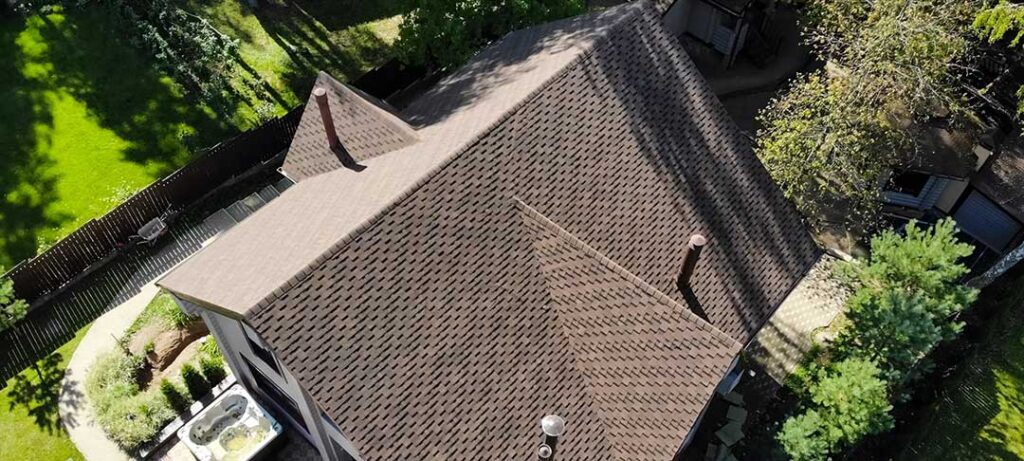
Ice dams form when heat escaping from a home melts snow on the warmer sections of a roof, allowing water to flow toward colder eaves where it refreezes. Over time, the growing ridge of ice can block drainage and force water beneath shingles, potentially damaging roofing materials, insulation, ceilings, and exterior walls.
For households in Henrietta, NY, ice dams are most likely during periods of repeated snow, freezing temperatures, and temperature swings. Preventing them depends less on removing surface ice and more on keeping the roof surface evenly cold and controlling indoor heat and moisture.
What is an ice dam?
An ice dam is a band of solid ice that forms along the lower edge of a sloped roof. The process usually follows this pattern:
- Snow rests on the roof after a storm.
- Heat from the attic or upper portions of the home warms part of the roof.
- The snow touching that warmer area melts.
- Meltwater runs downward beneath the snow.
- The water reaches the colder roof edge or overhang and freezes.
- Additional meltwater collects behind the ice ridge.
The trapped water may work its way beneath shingles, through underlayment seams, or around roof penetrations. It can then enter attic insulation, wall cavities, and finished ceilings.
An ice dam is not simply “too much snow.” A snow-covered roof can remain problem-free if its temperature is consistent from the ridge to the eaves.
Why do ice dams develop?
The most common cause is uneven roof temperature. Heat escapes from the living area into the attic through areas such as the attic floor, recessed lights, plumbing openings, ductwork, and gaps around chimneys or wiring.
Poor ventilation can make the problem worse. Warm air that enters the attic may remain trapped instead of leaving through properly balanced intake and exhaust ventilation. As a result, the underside of the roof becomes warm enough to melt snow while the eaves remain cold.
Indoor moisture also matters. Warm, humid air that leaks into a cold attic can condense on roof framing and insulation. This adds moisture to the space and may contribute to frost buildup, mold growth, wood deterioration, and reduced insulation performance.
Certain roof features are especially vulnerable:
- Valleys where snow accumulates
- Areas above heated rooms
- Low-slope sections
- Roof edges over porches or additions
- Locations around chimneys, skylights, and vents
- Sections shaded by nearby trees or surrounding structures
How can homeowners prevent ice dams?
The most reliable approach is to keep the entire roof deck close to the outdoor temperature while reducing warm, moist air leakage from the living space.
Seal attic air leaks
Air sealing is often more effective than simply adding insulation. Common leakage points include:
- Attic access panels
- Recessed light fixtures not rated for insulation contact
- Plumbing and electrical penetrations
- Gaps around chimneys and flues
- Open wall cavities
- Duct connections and bathroom fan housings
- Gaps around dropped ceilings or soffits
Any material used near chimneys, flues, or other heat-producing equipment must be appropriate for that application. Some gaps require special fire-safe treatment rather than ordinary sealant.
Improve insulation at the attic floor
Adequate insulation slows heat transfer from the home into the attic. It should be installed evenly, without compressed areas or bare sections. Insulation must not block soffit vents, because blocked intake ventilation can prevent the attic from exhausting warm air properly.
Adding insulation without addressing air leaks can leave warm, moist air trapped beneath the insulation. Air sealing and insulation work together, but they serve different purposes.
Maintain balanced attic ventilation
A properly designed ventilation system generally uses low intake openings near the eaves and high exhaust openings near the roof ridge or upper roof area. This allows outdoor air to move through the attic and helps reduce temperature differences.
More vents do not automatically solve ice damming. Exhaust vents installed without adequate intake airflow may provide limited benefit. Different roof designs also require different ventilation arrangements, so the system should be evaluated as a whole.
Powered attic fans are not a universal solution. If they pull conditioned air from the home through ceiling leaks, they can increase heat loss and moisture movement.
Control indoor humidity
During cold weather, excessive indoor humidity can create frost and condensation in an attic. Useful habits include:
- Running bathroom exhaust fans during showers and for a short time afterward
- Using a range hood or kitchen exhaust fan while cooking
- Drying wet clothing in a properly ventilated area
- Keeping humidifiers at an appropriate setting
- Checking that exhaust fans discharge outdoors rather than into the attic
- Avoiding blocked or disconnected ventilation ducts
Humidity levels vary with house design and outdoor temperature, but condensation on windows, damp attic insulation, or visible frost are signs that moisture control deserves attention.
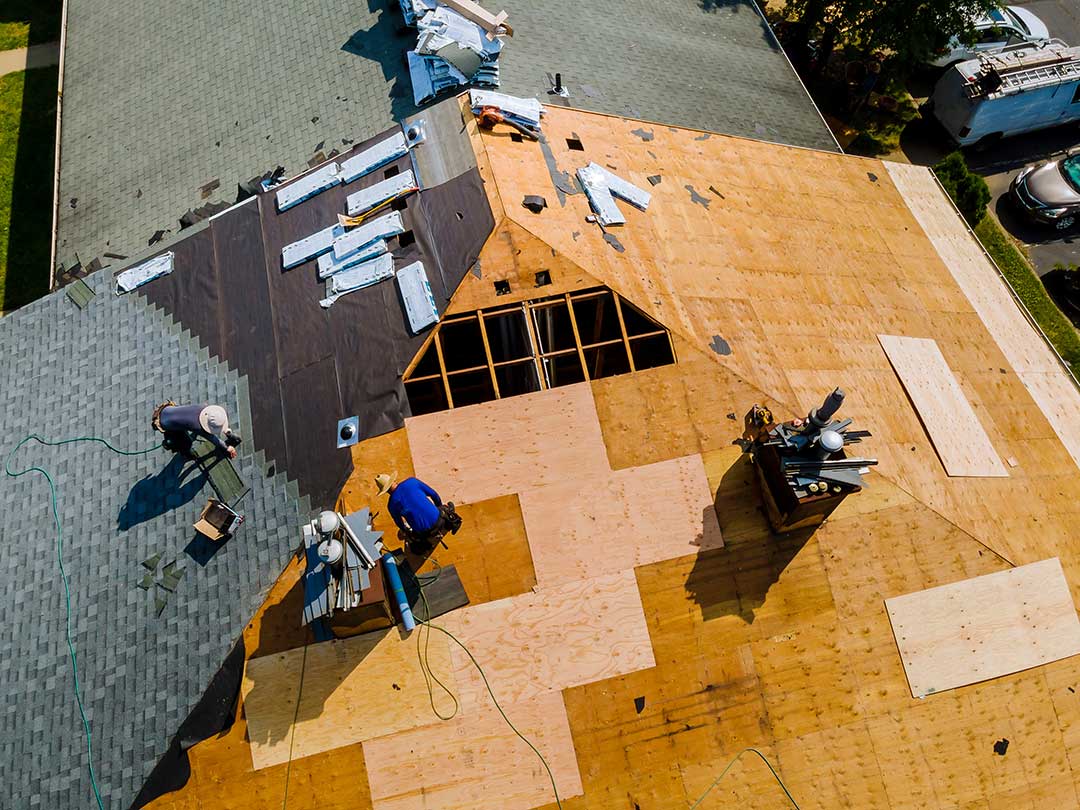
Do roof heating cables prevent ice dams?
Roof heating cables can reduce ice buildup in selected areas, but they do not correct the underlying cause. They are most useful as a limited supplement for recurring trouble spots, such as a roof edge above a heated room, a valley, or an area where drainage is difficult.
Cables must be installed according to their instructions and used with appropriate electrical protection. Improperly installed wiring can create shock, fire, or roof-damage hazards. Cables also consume electricity and may not keep pace with heavy snow, extreme cold, or a large heat-loss problem.
They should not be treated as a substitute for attic air sealing, insulation, ventilation, and moisture control.
Is it safe to remove an ice dam?
Removing snow and ice from a roof can be hazardous. Walking on a snow-covered or icy roof risks falls, and striking ice with tools can damage shingles, flashing, gutters, and roof membranes.
Do not use salt or chemical deicers intended for pavement. They can damage roofing materials, corrode metal gutters and fasteners, harm nearby plants, and create runoff problems.
If water is actively entering the home, protect furnishings and flooring, document the affected area, and address the source promptly. Electrical fixtures or wiring exposed to water should be treated as a safety concern. Roof access becomes especially risky during freezing conditions, and hazardous removal should not be attempted without suitable training and equipment.
What should homeowners check after an ice dam?
After the weather improves, inspect accessible areas for signs of water intrusion:
- Brown or yellow ceiling stains
- Damp attic insulation
- Wet roof sheathing or rafters
- Peeling paint or bubbling drywall
- Dripping around windows or exterior walls
- Musty odors
- Mold-like growth
- Sagging gutters or loose flashing
A leak may continue after the visible ice has melted because water can travel along framing before appearing inside the home. Stains near an outside wall do not necessarily indicate a problem directly above that location.
The roof surface, attic, insulation, gutters, and interior finishes should be considered together. Replacing damaged ceiling material without correcting the heat-loss or moisture source often allows the problem to return.
Does gutter cleaning stop ice dams?
Clean gutters support drainage, but gutter cleaning alone does not prevent most ice dams. Ice dams form primarily because of roof-temperature differences, not because gutters are full of leaves.
However, blocked gutters and downspouts can worsen the situation by preventing meltwater from leaving the roof edge. Before winter, check that gutters are securely attached, downspouts discharge away from the foundation, and water has a clear path away from the building.
In Henrietta, changing winter conditions can alternate between snow accumulation, partial thawing, and refreezing. That cycle makes sound attic detailing and reliable drainage more valuable than a single seasonal fix.
A practical prevention checklist
Before winter, homeowners can review:
- Attic insulation coverage and condition
- Visible gaps around penetrations and access panels
- Bathroom, kitchen, and laundry exhaust routes
- Soffit, ridge, and other ventilation openings
- Gutter and downspout condition
- Roof flashing around penetrations and wall intersections
- Evidence of previous leaks or frost
- Indoor humidity and condensation patterns
The goal is not to make snow disappear from the roof. It is to keep the roof deck at a relatively uniform temperature, limit warm-air and moisture movement into the attic, and provide a clear drainage path when snow naturally melts.
