

What Is a Professional Roof Inspection?
A professional roof inspection is a thorough assessment of a home’s roof covering, structure, and related components to identify any current issues and potential maintenance needs. Unlike a quick look from the ground, this process uses specific methods to evaluate roof condition and forecast future concerns, which is especially relevant for homes in Henrietta, NY, where seasonal changes can put unique stress on roofing materials.
Why Do Local Households Need Roof Inspections?
For most homes in the city, routine roof inspections help prevent water damage and other issues caused by harsh winters, spring thaws, and heavy summer storms. An inspection can catch minor leaks, worn shingles, or flashing failures before they lead to significant and costly repairs in Henrietta’s variable weather. Insurance policies and home sale requirements sometimes also necessitate documentation of a roof’s condition.
What Should Residents Expect Before the Inspection?
Before the visit, homeowners typically:
- Remove vehicles and obstacles from driveways for ladder access
- Secure pets inside to prevent distractions or accidental escapes
- Provide access to attics or crawl spaces if interior inspection is included
No preparation beyond allowing access is generally required. The inspection usually takes 30-90 minutes, depending on the home’s size and roof complexity.
How Do Inspectors Evaluate Roof Exteriors?
Inspectors start with the exterior—walking the roof if it’s safe, or using binoculars or drones for steep or delicate surfaces. Here’s what they typically check:
- Shingles or roofing material for cracks, curling, missing sections, or granule loss
- Flashing around chimneys, skylights, vents, and valleys for gaps or corrosion
- Gutters and downspouts for blockage, detachment, or signs of water backing up under shingles
- Roof edges for signs of wind lift or ice dam damage
- Moss, algae, or lichen growth, which can indicate moisture retention or shade problems
Because Henrietta homes often face ice dams and freeze-thaw cycles, inspectors pay extra attention to shingle edges and areas where ice regularly forms in colder months.
What Happens During an Interior Roof Inspection?
Interior inspections, especially in attics, help discover hidden water entry, mold, or structural concerns:
- Inspectors look for water stains, dark streaks, or damp insulation
- Ventilation and airflow are evaluated, since Henrietta’s humidity can cause attic moisture and deterioration
- Rafters and decking are visually checked for sagging, rot, or evidence of pests
Not every inspection requires attic access, but in older homes or after a heavy storm, looking inside can reveal problems not obvious from outside.
Will an Inspector Use Special Tools or Technology?
While many inspections are visual, some involve tools for added precision:
- Moisture meters pinpoint dampness in underlying materials
- Infrared cameras highlight temperature differences, locating hidden leaks
- Drones may be used for large or unsafe roofs, offering detailed photos from above
None of these processes damage the roof or property; the goal is a non-invasive, detailed assessment.
What Common Issues Are Found in the Community?
In Henrietta’s climate, certain roofing issues are seen regularly:
- Loose or missing asphalt shingles after wind or heavy rain
- Nail pops or lifted flashing from freezing and thawing cycles
- Clogged gutters from falling leaves or high winds
- Ice dam scarring, where meltwater has backed up under shingles
- Water-stained attic insulation or mold from condensation build-up
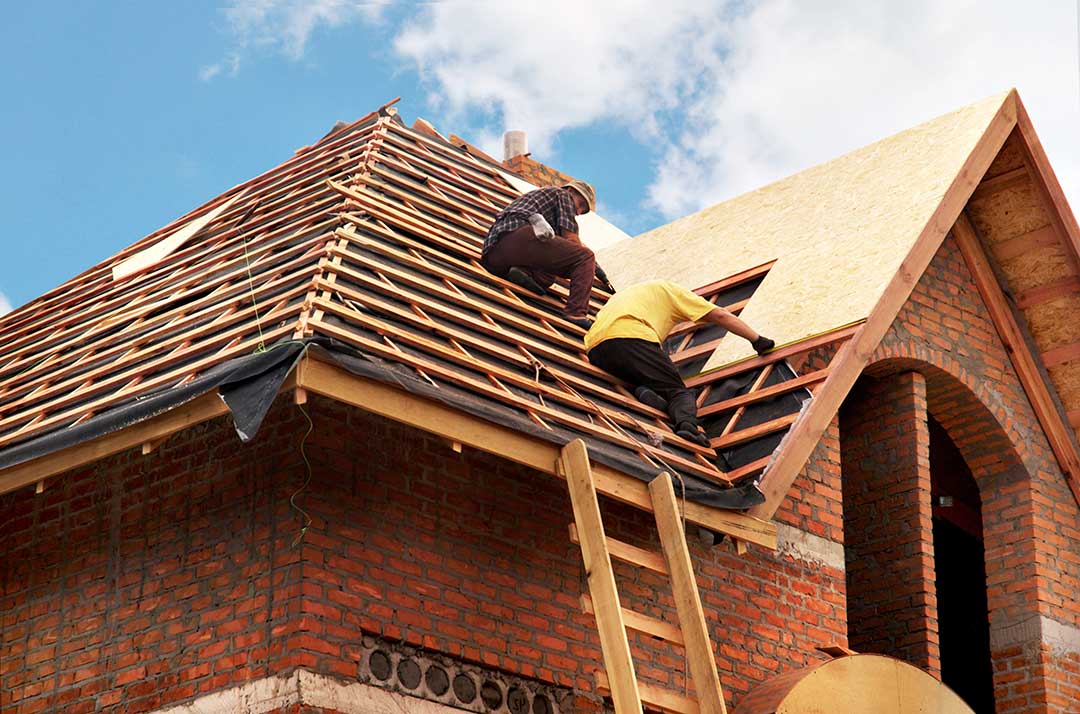
These issues may be minor if caught early but can worsen quickly in the area’s humid summers or icy winters.
How Are Findings Reported and Explained?
After the inspection, a report is usually provided—often with written notes, diagrams, and photographs:
- Summaries list any immediate repairs needed and non-urgent concerns to monitor
- Photographs support explanations of damage, making it easier for homeowners to understand locations and severity
- Recommendations may include routine maintenance (like cleaning gutters or trimming overhanging branches)
Residents should ask for clarification if any terms or suggested repairs are unclear. Reputable reports focus on condition and next steps rather than pushing specific services.
Are There Any Misconceptions About Roof Inspections?
Some area residents assume roof inspections are only needed after severe storms or before selling a house. In reality, with Henrietta’s weather swings, annual or biannual checks are smart for ongoing maintenance, especially on older homes. Another misconception is that inspectors “always find something wrong”; in many cases, inspections simply confirm the roof is in good shape, or recommend simple upkeep tasks rather than major repairs.
What Should Residents Consider After an Inspection?
After receiving the inspection report:
- Review each finding and recommendation carefully
- Prioritize safety issues or active leaks first, as minor problems can grow quickly with the community’s wet and cold seasons
- Keep documentation for future home sales or insurance questions
- Plan routine maintenance like gutter cleaning or trimming trees to avoid preventable damage
Addressing concerns promptly often helps protect the home and reduces long-term costs, especially with Henrietta’s unpredictable weather.
