

How Does Your Roof Affect Home Energy Costs in Henrietta, NY?
A roof plays a significant role in controlling heat loss and gain in homes throughout Henrietta, NY. In this region, where summers can be warm and winters bring freezing temperatures and heavy snowfall, roof design and materials can have lasting effects on utility bills and comfort levels inside.
Roofs act as a barrier between the living space and the sometimes harsh outdoor climate. If a roof is poorly insulated or constructed with less efficient materials, heat can easily escape in winter or enter during summer, forcing heating and cooling systems to work harder. Over time, this contributes to higher energy bills for local residents.
What Roofing Materials Are Most Energy Efficient for Local Weather?
The type of roofing material directly influences how much heat is absorbed or reflected, which matters in an area with wide seasonal temperature swings.
Materials commonly used in the city include:
- Asphalt shingles (most typical): These are affordable and easy to install but can absorb heat, particularly in dark colors.
- Metal roofing: Known for reflecting solar energy and shedding snow quickly, which helps in reducing ice dams and maintaining efficiency.
- Tile or slate: Less common, but highly durable and offer good thermal resistance; weight and cost can be issues for some structures.
- Synthetic or "cool" shingles: Increasingly available, these are designed with reflective granules or lighter colors that lower heat absorption.
Choosing a lighter-colored shingle or a reflective roofing product can help homes in Henrietta stay cooler during heat waves, while insulation upgrades address winter energy loss.
How Important Is Roof Insulation in This Climate?
Proper roof insulation is essential in Henrietta for minimizing energy waste, especially during cold months.
Insulation works by trapping heat inside the living space during winter and keeping hot air out in summer. Attic insulation is particularly important because most heat loss occurs through the top of the house. Common types include:
- Fiberglass batts or rolls
- Blown-in cellulose or fiberglass
- Spray foam insulation (offers a tighter seal but costs more)
Local building codes require minimum insulation standards, but many older homes may fall short. Increasing attic insulation can be a cost-effective step for homeowners seeking noticeable improvements.
What Role Does Roof Ventilation Play?
While insulation limits the flow of heat, roof ventilation helps manage moisture and temperature extremes in attics and rafter spaces.
Good ventilation systems keep air circulating, balancing attic temperature with outside air. This:
- Reduces the risk of ice dams forming along eaves (a common problem during the freeze–thaw cycles of the city’s winters)
- Limits excess heat buildup that can wear out roofing materials in summer
- Helps prevent mold and moisture damage, protecting wood framing and insulation
Homes with blocked or under-sized vents may face both energy efficiency challenges and maintenance issues.
Can Roof Color Influence Heating and Cooling Needs?
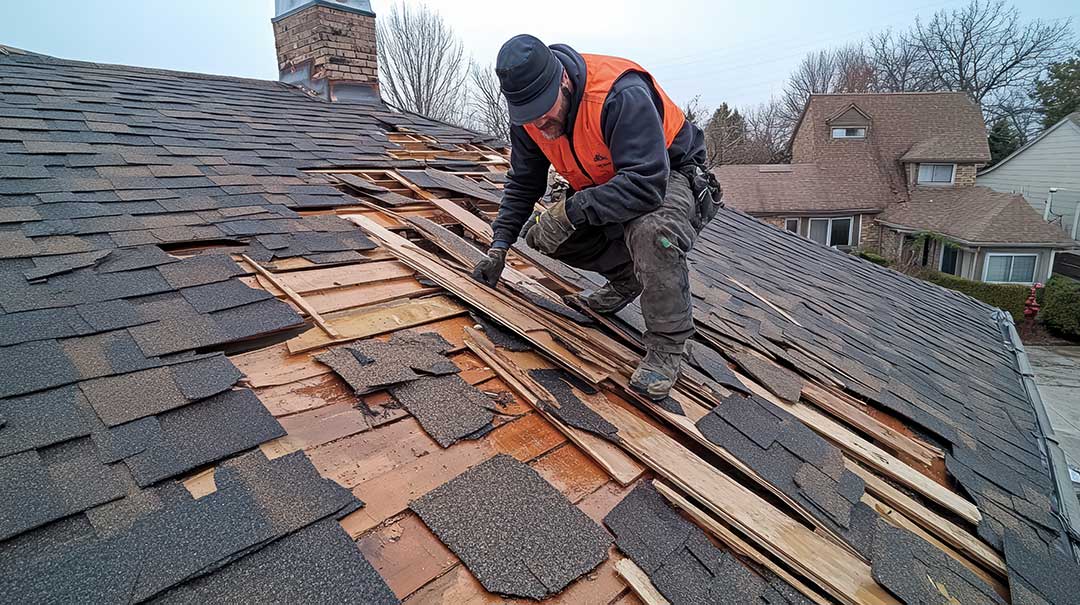
Roof color does impact energy use, but the effect varies with the season.
- Dark roofs absorb more heat from sunlight, which can raise cooling demands during summer.
- Light-colored or reflective roofs help reflect sun rays, keeping attic and home temperatures lower.
In regions with intense sun during the summer and heavy snow in winter, mixed approaches may be considered, though practical choices often depend on aesthetics, neighborhood patterns, and availability.
Are There Local Energy Programs or Incentives for Efficient Roofs?
Many residents wonder if area incentives exist for making energy-oriented roof improvements.
While there are sometimes tax credits or rebates for insulation or reflective roofing materials through state or federal programs, these often change annually. The city’s utility companies may offer guidance or home energy audit programs to help identify cost-effective improvements. Residents interested in specific programs can find up-to-date information through official state or utility websites.
What Are Common Misconceptions About Roof Energy Efficiency?
Some homeowners assume that only new roofs can improve efficiency, or that shingle material alone is what matters most.
However, skipping upgrades like attic insulation or proper ventilation often leaves potential savings on the table. Another misconception is that installing solar panels alone will always lower energy bills; without addressing underlying insulation and ventilation issues, some of those savings can be lost to heat transfer through the roof.
What Maintenance Steps Help Preserve Roof Efficiency?
Routine care can make a difference regardless of roof age or type:
- Keep gutters and roof surfaces clear of debris to prevent moisture retention and ice formation.
- Promptly address missing or damaged shingles to stop leaks.
- Check attic ventilation and insulation levels every few years, especially after roof work or home renovations.
Taking small steps can keep homes more comfortable year-round and help lower energy costs in the city’s challenging climate.
